
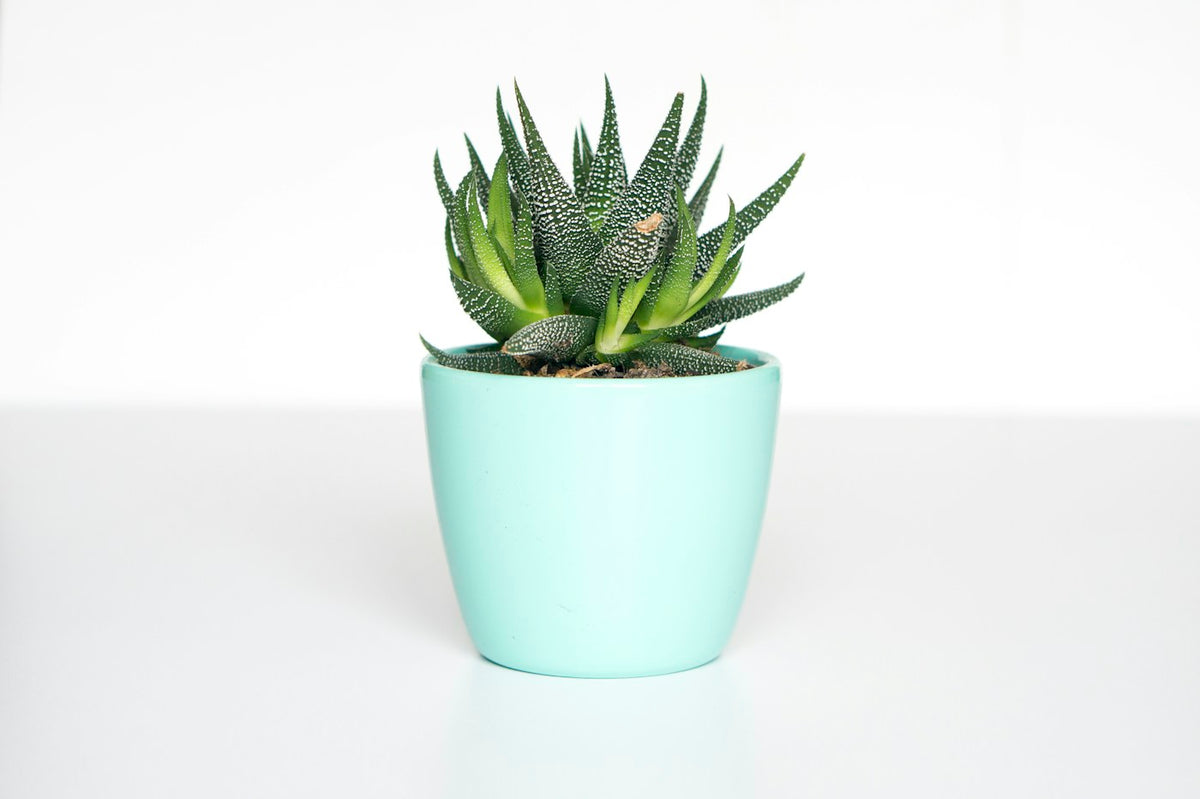
The right indoor plant is not simply the one that looks attractive in a photograph. It is the one that suits the light, airflow and care routine in your home. Indian homes vary widely: a bright Bengaluru apartment with large windows is very different from a shaded room with limited natural light. Use the suggestions below as a starting point, then check the needs of the particular plant you buy.
Money plant (Epipremnum aureum)
Money plant adapts to a range of bright indirect-light conditions and can trail from a shelf or climb with support. Let the upper part of the potting mix dry before watering. Long, weak growth and widely spaced leaves can indicate that the plant needs more light.
Snake plant (Dracaena trifasciata)
Snake plants tolerate lower light better than many houseplants, although growth is generally stronger in bright indirect light. Their thick leaves store water, so allow the potting mix to dry well between waterings. A free-draining mix and a pot with drainage are important.
Spider plant (Chlorophytum comosum)
Spider plants do well in bright, indirect light and can produce arching leaves and small plantlets. Water when the surface of the mix begins to dry. Brown tips can have several causes, including inconsistent watering, dry air or mineral build-up, so assess the overall conditions.
Peace lily (Spathiphyllum)
Peace lilies prefer bright indirect light and evenly moist—not waterlogged—soil. They may droop when thirsty, but repeated severe drying can stress them. Keep them away from harsh direct sun. Note that peace lilies are toxic if chewed, so keep them away from pets and children who may nibble plants.
Areca palm (Dypsis lutescens)
Areca palms prefer bright filtered light and a reasonably consistent watering routine. Give them space and airflow, and avoid leaving the roots in standing water. They can struggle in very dark corners.
Match the plant to the room
- Bright window: many foliage plants, including money plant and spider plant, can thrive with protection from harsh midday sun.
- Moderate indirect light: try peace lily or money plant, while monitoring growth.
- Low-light corner: snake plant may tolerate it, but no plant grows well in darkness. Consider moving plants closer to a window and rotating them.
Indoor plant care basics
Use pots with drainage holes, check soil before watering, wipe dust from broad leaves and inspect new plants for pests before placing them among an existing collection. Do not fertilise a plant that is stressed, recently repotted or not actively growing. When feeding is appropriate, follow the product label and avoid applying more than recommended.
Frequently asked questions
Are indoor plants suitable for rooms without windows?
Plants need light to grow. A room without natural light would require suitable grow lighting; rotating plants in and out of a brighter area can also help.
Do indoor plants need daily watering?
Usually not. Watering depends on species, pot size, light, temperature and the potting mix. Check the soil rather than following a fixed daily routine.
Explore indoor plants and planters
Discover our indoor plants and air-purifying plant collection. You can also browse Money Plant (subject to availability), along with ceramic pots and plastic pots.
Explore indoor plants from eNGe
Try a Money Plant or Spider Plant where their light requirements suit your room. For a foliage option that prefers bright filtered light, see Fern Asplenium. Check each plant’s current availability and care needs before ordering.